
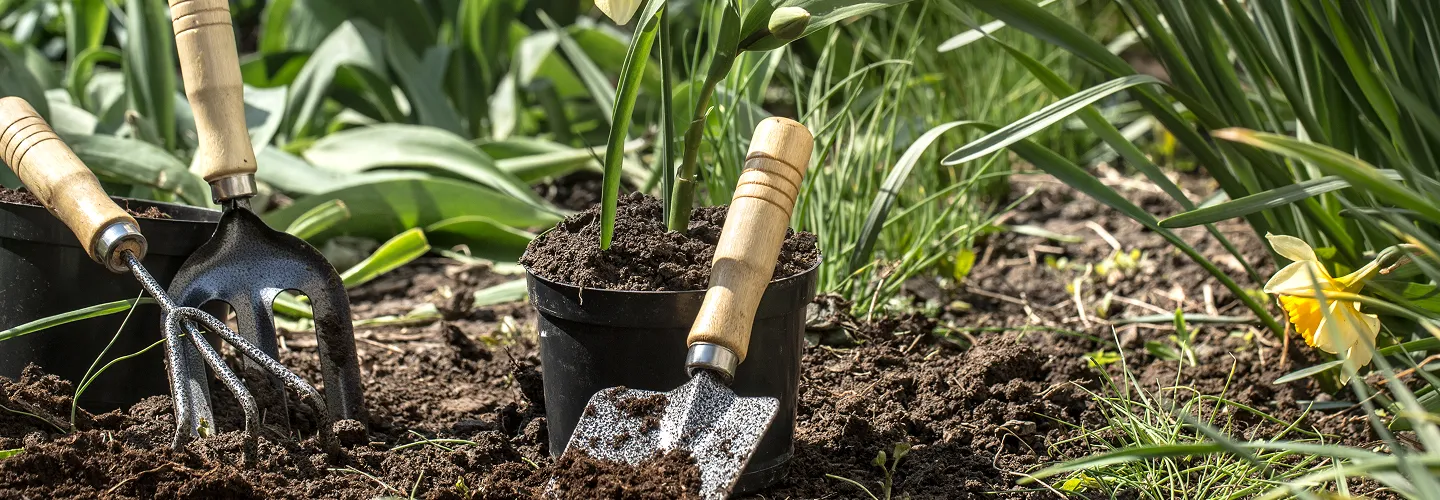
Punta Gorda Plant Removal Services
Choose our plant removal experts for safe, thorough, and eco-friendly solutions that restore your landscape’s beauty and health—no mess, no stress.
Get a Free QuoteOur Punta Gorda Landscaping & Yard Care Services
When to Schedule Plant Removal in Punta Gorda, Florida – Seasonal Guide
In Punta Gorda, Florida, the timing of plant removal is crucial for maintaining healthy landscapes and ensuring long-term curb appeal. The region’s subtropical climate, characterized by warm, humid summers and mild winters, means that plant growth cycles and removal windows differ from those in northern states. For most neighborhoods—whether you’re near the historic downtown, along the Peace River, or in the Burnt Store Isles area—the best periods for plant removal are typically late winter through early spring, before the onset of the rainy season and peak humidity. This timing helps minimize stress on surrounding vegetation and reduces the risk of soil erosion.
Local environmental factors play a significant role in determining the optimal schedule. Punta Gorda’s proximity to Charlotte Harbor brings higher humidity and occasional salt spray, while neighborhoods like Deep Creek may experience more shade and denser tree coverage. It’s important to consider the last frost date, which usually falls in late January, as well as the potential for drought conditions in late spring. For more information on local regulations and environmental guidelines, visit the official municipal resource.
Local Factors to Consider for Plant Removal in Punta Gorda
- Tree density and canopy coverage in your neighborhood
- Soil type and drainage, especially in areas near the Peace River
- Seasonal precipitation patterns and risk of drought
- Municipal restrictions or permitting requirements
- Proximity to protected wetlands or conservation zones
- Terrain slope and accessibility for removal equipment
Benefits of Plant Removal in Punta Gorda
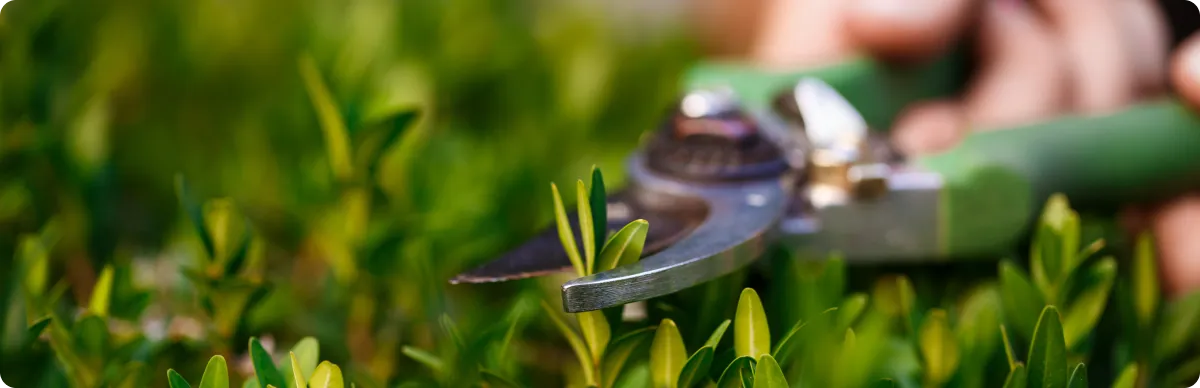
Expert Landscaping Services
Efficient Plant Removal
Eco-Friendly Disposal Methods
Improved Curb Appeal
Customized Solutions
Licensed and Insured Team
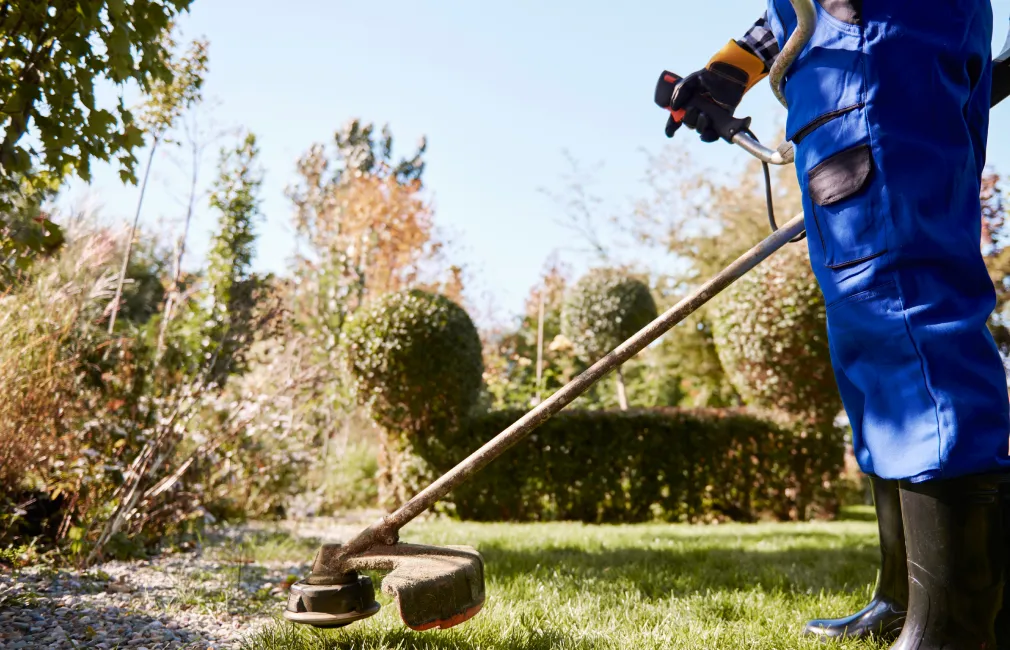
Punta Gorda Plant Removal Types

Tree Removal
-
Shrub Removal
-
Stump Grinding
-
Invasive Species Removal
-
Root System Extraction
-
Overgrown Vegetation Clearing
-
Hedge Removal
Our Plant Removal Process
Site Evaluation
Preparation and Safety Measures
Plant Uprooting
Debris Removal
Site Restoration
Why Choose Punta Gorda Landscape Services
-
Punta Gorda Homeowners Trust Us
-
Expert Lawn Maintenance
-
Reliable Scheduling
-
Competitive Pricing
-
Professional Team
-
Satisfaction Guarantee
-
Personalized Service
Coordinating Plant Removal with Punta Gorda's Public Works and Code Compliance
Plant removal in Punta Gorda requires coordination with municipal departments that oversee vegetative debris disposal, stormwater infrastructure protection, and property maintenance standards. The City of Punta Gorda's Public Works Department manages stormwater systems, rights-of-way, and infrastructure that may be affected when plants are extracted from residential or commercial sites. Before initiating removal work, property owners should confirm current vegetative debris collection procedures, including accepted material types, bundling or containerization requirements, and scheduled pickup availability. Residents should also be aware that the city's landscape regulations may apply when removal involves species near public rights-of-way or within areas subject to tree preservation requirements, which can be reviewed through the city's landscape and tree removal page.
- Verify vegetative debris pickup schedules and preparation rules with Public Works before placing material curbside
- Confirm whether removed plants fall under landscape code provisions, particularly near sidewalks, swales, or canal edges
- Ensure root-zone excavation does not disturb stormwater conveyance features such as swales, inlets, or drainage easements
- Contact Code Compliance if neighboring properties have nuisance vegetation encroaching across lot lines
Punta Gorda Public Works
Official Website: Punta Gorda Public Works
Punta Gorda Code Compliance
Official Website: Punta Gorda Code Compliance
How Punta Gorda's Gulf Coast Climate and Soils Affect Plant Removal
Punta Gorda sits along Florida's southwest Gulf Coast in USDA Hardiness Zone 10a, where subtropical heat, high humidity, and a pronounced wet season from June through October shape every aspect of plant removal work. The region's sandy, shell-influenced, and poorly drained soils—common throughout Charlotte County—create specific challenges during extraction. Shallow root systems in sandy substrates may pull free with minimal effort, while plants established in compacted fill soils within newer subdivisions often require more aggressive root-zone excavation. The high water table across much of Punta Gorda means that even modest digging can encounter saturated conditions, particularly during the wet season, which complicates equipment access and increases the risk of sediment migration into nearby swales, canals, and retention ponds.
- Summer heat indices regularly exceed 100°F, limiting safe outdoor work windows and accelerating decomposition of removed plant material left on-site
- Sandy coastal soils drain rapidly but offer minimal structural resistance, meaning root balls may destabilize adjacent plantings or hardscape during extraction
- Salt exposure near Charlotte Harbor and the Peace River affects plant tissue and soil chemistry, sometimes requiring post-removal soil amendment before replanting
- Wet-season saturation raises the water table to within inches of the surface in low-lying areas, demanding careful timing for any ground disturbance
Information on regional soil characteristics can be reviewed through the USDA Web Soil Survey, and hardiness zone verification is available via the USDA Plant Hardiness Zone Map.
Navigating Punta Gorda's Landscape Regulations and Stormwater Rules for Plant Removal
Plant removal in Punta Gorda intersects with several layers of municipal and state regulation. The city's landscape ordinances address vegetation on private property, and certain removals—particularly those involving protected or specimen trees—may trigger a review process through the city's landscape and tree removal provisions. Property owners should verify current requirements with the Punta Gorda Zoning office before removing established plantings in areas subject to site plan conditions, buffer requirements, or development order stipulations.
- If herbicide application is part of the removal process—such as treating invasive root systems or preventing regrowth—the applicator must hold appropriate certification through the Florida Department of Agriculture and Consumer Services (FDACS) under Florida Statutes Chapter 487
- Sediment, soil, and plant debris must not enter stormwater conveyance systems; the Florida DEP NPDES Stormwater Program governs discharge standards that apply to land-disturbing activities
- Removal near canals, retention ponds, or wetland buffers may require coordination with the South Florida Water Management District or the city's utility engineering staff
- Properties within flood zones or near Charlotte Harbor should confirm whether removal affects required vegetative buffers or erosion-control plantings
Punta Gorda Zoning
Official Website: Punta Gorda Zoning
Timing and Methods for Professional Plant Removal in Punta Gorda's Climate
Professional plant removal in Punta Gorda follows timing and technique standards adapted to the Gulf Coast's subtropical conditions. The dry season, roughly November through May, offers the most favorable conditions for ground disturbance: lower water tables, firmer soil, reduced mosquito pressure, and less risk of sudden afternoon thunderstorms that can halt equipment operations and cause sediment runoff. However, removal of invasive species such as Brazilian pepper, Australian pine, or air potato vine is often most effective when combined with targeted herbicide treatment during the active growing season, when translocation to root systems is highest.
- Cut-stump or basal-bark herbicide treatments applied to invasive root systems should follow UF/IFAS integrated pest management guidance and be performed only by licensed applicators
- Root-zone excavation should include stabilization measures—such as clean fill, sod patching, or erosion-control fabric—to prevent soil migration into adjacent swales or storm drains
- Removed plant material should be separated from soil and non-organic debris before disposal; mixing construction waste with vegetative debris may violate municipal collection rules
- Site grading after removal should direct surface water away from structures and toward designed drainage features, not toward neighboring properties or public infrastructure
Post-removal site conditions should be assessed for replanting suitability, as exposed sandy soils in Punta Gorda lose moisture rapidly and are vulnerable to wind erosion during dry periods. Guidance on protecting water resources during landscape work is available through UF/IFAS Gardening Solutions.
What Neighborhoods Do We Serve Throughout Punta Gorda, FL?
- Punta Gorda Isles — This canal-front community requires careful plant removal practices to prevent root debris, soil, and sediment from entering the extensive saltwater canal system that connects to Charlotte Harbor.
- Burnt Store Isles — Waterfront lots with seawall edges and sandy fill soils demand stabilization after plant extraction to prevent bank erosion and maintain drainage flow toward designed outfalls.
- Historic Downtown Punta Gorda — Older lots with mature tropical plantings often have root systems intertwined with aging infrastructure, requiring precise removal to avoid damage to sidewalks, utilities, and adjacent properties.
- Punta Gorda Heights — Elevated inland lots with mixed sandy and shell-influenced soils present variable root-zone conditions that affect extraction methods and post-removal grading.
- Trabue Estates — Properties near tidal waterways and low-lying areas face high water table challenges during wet-season removal, requiring careful scheduling and sediment control.
- Seminole Park — Established residential lots with dense subtropical landscaping often involve multi-species removal projects where selective extraction must protect retained plantings and existing irrigation systems.